VALPHORAY HEALTHCARE have an efficient R&D team working on AI not as a "tool" but as the core operating system.
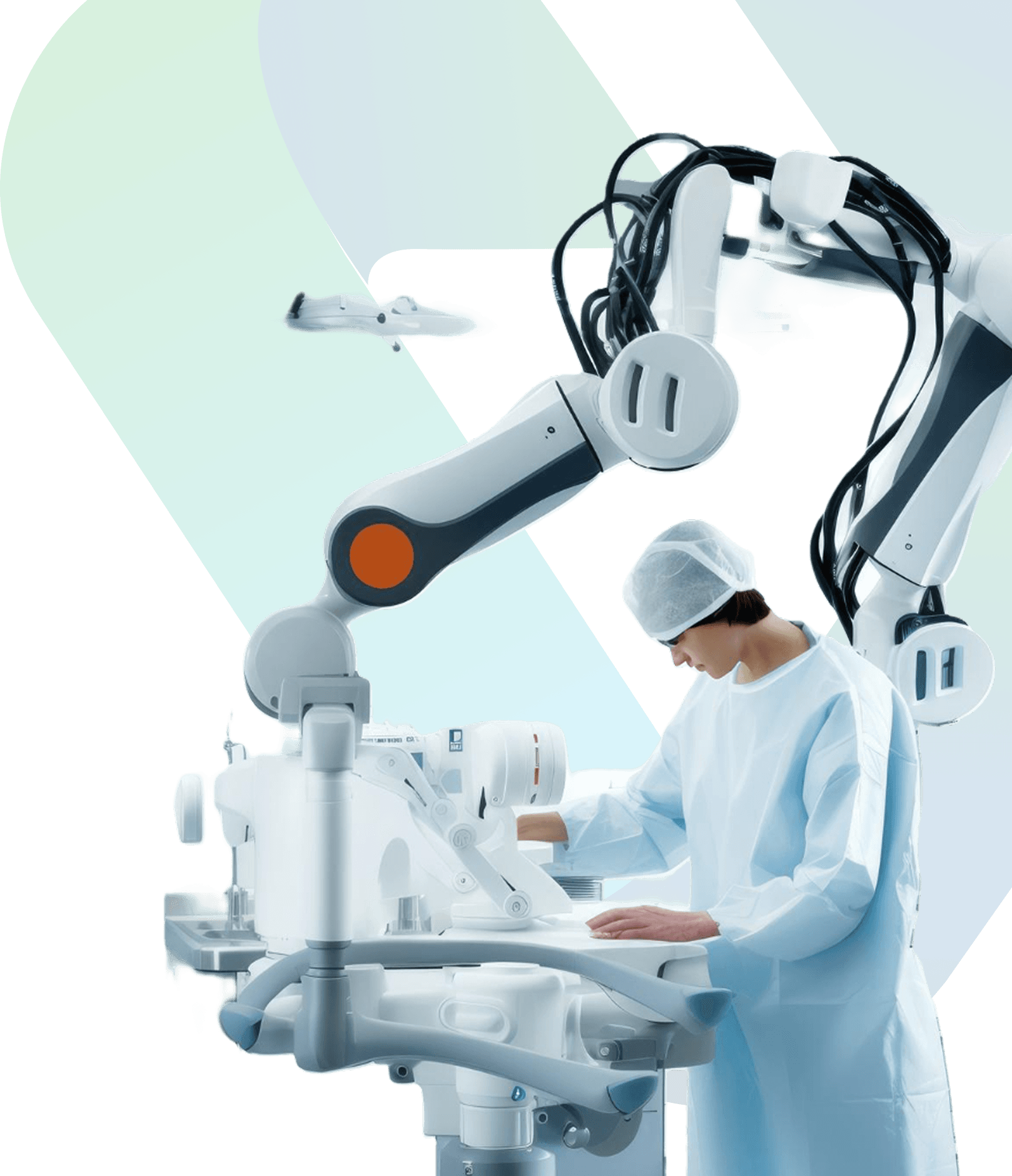
In 2026, discovery has moved from "Virtual Screening" to Continuous Learning Systems.
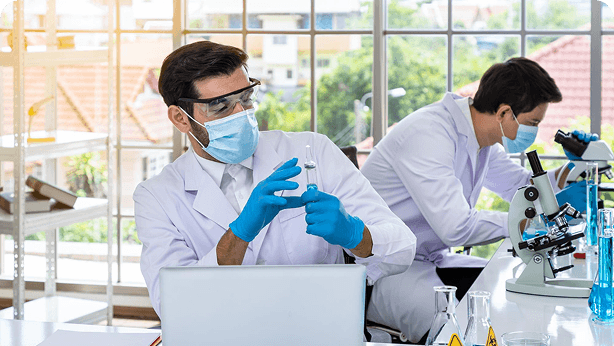
Using platforms like NVIDIA BioNeMo, R&D labs now connect "dry" computational labs to "wet" robotic labs. When an AI predicts a molecule, it automatically triggers a robotic synthesis and assay. The results are fed back into the AI in under 24 hours, creating a self-optimizing loop.

AI now specializes in "undruggable" targets. It designs molecular glues—small molecules that force two proteins to stick together so the body’s own waste-disposal system (proteasome) can destroy the disease-causing protein.
The goal in 2026 is no longer just "sequencing" but "Cellular Digital Twins.


We now use models trained on billions of single cells to simulate drug reactions across different cell types (e.g., how a liver cell vs. a heart cell reacts to the same CRISPR edit).
Genomics (The Code)
Transcriptomics (The Message)
Proteomics (The Machine)
Metabolomics (The Fuel)This "layering" identifies regulatory hubs—the specific control points in a disease pathway that, if hit, provide the highest efficacy with the lowest toxicity.
Standard SQL databases are no longer sufficient for 2026 R&D. VALPHORAY needs a Vector-Graph Hybrid architecture.
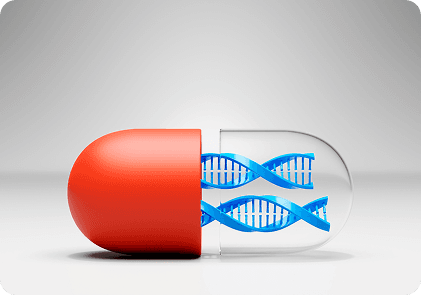
These store biological relationships (e.g., "Gene A regulates Protein B")
These store high-dimensional "embeddings" of molecules and clinical notes, allowing the AI to search for "similar" drug structures or patient phenotypes mathematically.

To comply with data privacy (GDPR/HIPAA), your database should use Federated Learning, allowing you to train models on external hospital data without the data ever leaving the hospital’s firewall.
In 2026, the "trial" begins long before the first patient is dosed.
AI runs millions of "in silico" trials to optimize the protocol (e.g., finding the perfect inclusion/exclusion criteria to maximize the signal- to-noise ratio).
Instead of manual screening, AI scans Electronic Health Records (EHRs) using Semantic Search to match rare-disease patients to trials with a 650% increase in speed over 2024 methods.
Using historical data, AI creates "digital twins" of patients to serve as the control group, potentially cutting the number of human volunteers needed by 50%.
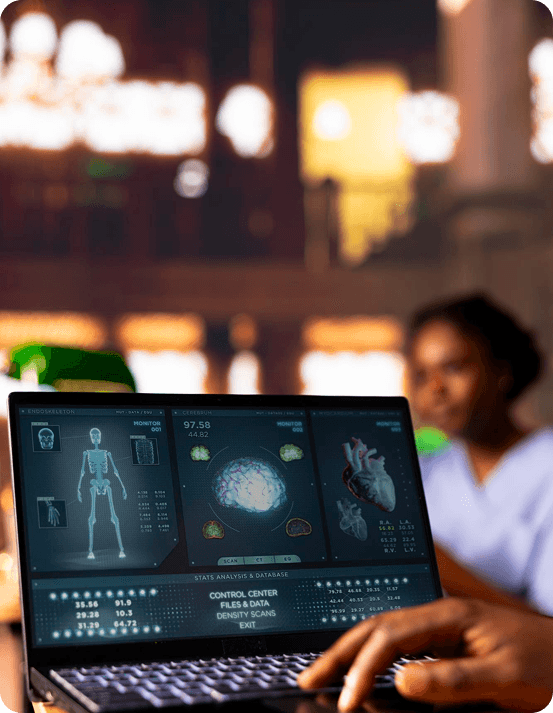
In 2026, the "trial" begins long before the first patient is dosed.

Agentic AI "interrogates" incoming data 24/7. It doesn't just flag errors; it predicts which clinical sites are likely to have a protocol deviation before it happens.
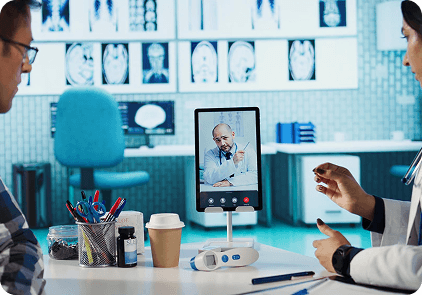
AI transcribes patient-doctor visits directly into structured data, reducing manual entry errors and allowing for immediate "Safety Signal" detection.

Per 2026 FDA mandates, all analysis must include a "Reasoning Trace," showing exactly why the AI flagged a specific patient for an adverse event.
Since you are using AI, your QMS should be proactive. I recommend tracking these 3 Key Performance Indicators (KPIs):
| R&D Stage | 2024 Standard | 2026 VALPHORAY Goal |
|---|---|---|
| Target ID | 12–18 Months | Ensures AI clinical analysis remains accurate over time. |
| Lead Optimization | Thousands of molecules | Tens of molecules (Generative Chemistry) |
| Patient Recruitment | 6–12 Months | Weeks (EHR Semantic Matching) |
| Data Cleaning | Post-Trial (Months) | Real-Time (Automated Agentic cleaning) |